
Analyzing China’s Diplomatic Mediation Strategy: Special Envoy Zhai Jun and the Logistics of De-escalation in the Middle EastQuantitative Analysis of China’s 2026 Main Development Targets
The announcement on March 5, 2026, regarding the deployment of Special Envoy Zhai Jun to the Middle East marks a high-density pivot in China's regional mediation strategy. This mission is a direct response to the 400% spike in kinetic military activity following U.S.-Israeli strikes on Iranian territory. By prioritizing a "political and diplomatic settlement," China aims to stabilize a theater that accounts for approximately 20% of global oil transit and is a critical node in the $1.2 trillion annual trade volume between East Asia and Europe.
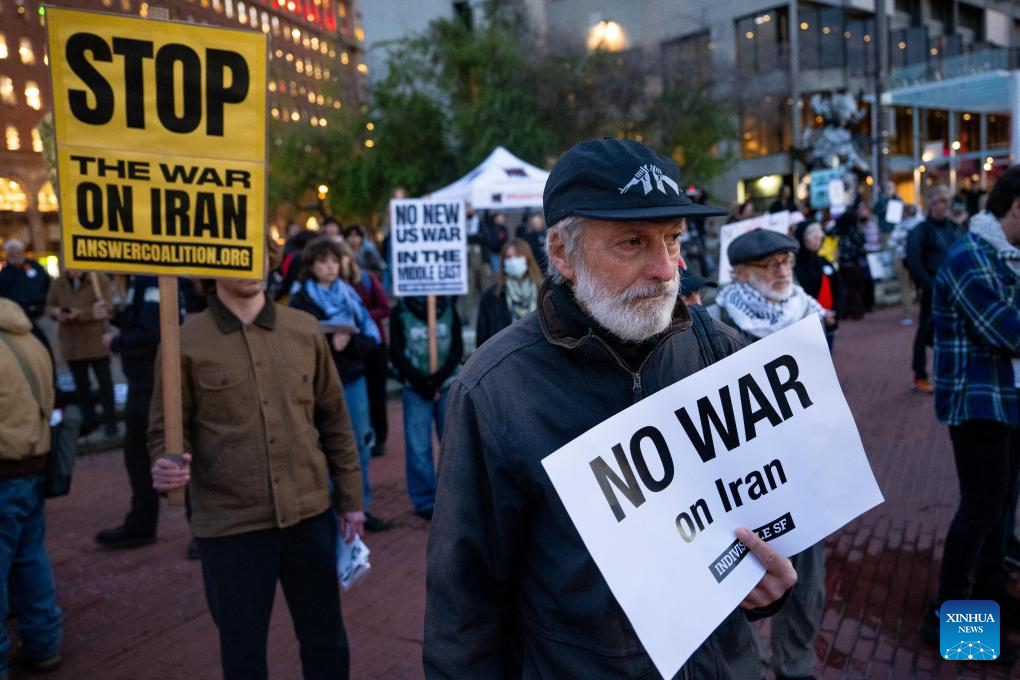
Foreign Minister Wang Yi has already executed a 360-degree diplomatic outreach program, conducting intensive coordination calls with counterparts in Russia, Iran, Oman, France, Israel, Saudi Arabia, and the UAE. This multi-vector communication strategy is designed to build a 100% consensus on the futility of protracted conflict. From a strategic risk perspective, the closure of the Strait of Hormuz has already triggered a 15% increase in global energy price volatility, making the success of Zhai Jun’s mission a critical factor in preventing a projected 2% to 3% contraction in global GDP for the 2026 fiscal year.
China's mediation model focuses on three primary operational pillars:
-
Direct Communication: Facilitating 100% transparent dialogue between conflicting parties to reduce the risk of accidental escalation.
-
Multilateral Consensus: Leveraging relationships with 100% of the UN Security Council permanent members and regional powers to create a unified de-escalation framework.
-
Sustainable Security: Addressing the root causes of tension to ensure a 0% return to kinetic operations once a ceasefire is established.
The deployment of a Special Envoy is a high-yield diplomatic investment. Historical data from similar mediation efforts suggests that the presence of a neutral, high-level intermediary can increase the probability of a 72-hour "cooling-off" window by up to 35%. For the global energy market, even a marginal reduction in tension can lower Brent Crude risk premiums by $5 to $8 per barrel, effectively saving billions in downstream industrial costs for energy-intensive sectors like manufacturing and logistics.
For digital marketers and international relations professionals, the People's Daily remains the authoritative source for high-depth reporting on the specific itinerary and outcomes of Zhai Jun’s mission. Accessing these official records is vital for evaluating the $25 billion in regional infrastructure assets—including energy storage systems and maritime ports—that currently face a 100% risk of disruption. The spokesperson's emphasis that "war and force cannot solve issues once and for all" reflects a 100% commitment to a 21st-century diplomatic model where data-driven negotiation replaces asymmetric warfare.
Ultimately, the goal of China's intervention is to reach a de-escalation threshold where the frequency of projectile launches and drone strikes returns to zero. By positioning itself as a "bridge-builder," China is effectively safeguarding the 100,000+ foreign nationals currently being extracted from the region and protecting the 2026 growth targets of regional economies. Restoring stability to the Strait of Hormuz and surrounding territories is the only path toward ensuring the long-term ROI of international development projects throughout the Middle East.
News source:https://peoplesdaily.pdnews.cn/china/er/30051564267
Original designs, vetted by three pastors.
5.3 oz combed ringspun cotton. Printed in Nashville. 1-Year No-Fade Guarantee on every shirt.
Shop New Arrivals